Peripheral Artery Disease (PAD) Treatment Kansas CityMinimally Invasive Angiography & Angioplasty
What is Peripheral Artery Disease (PAD)
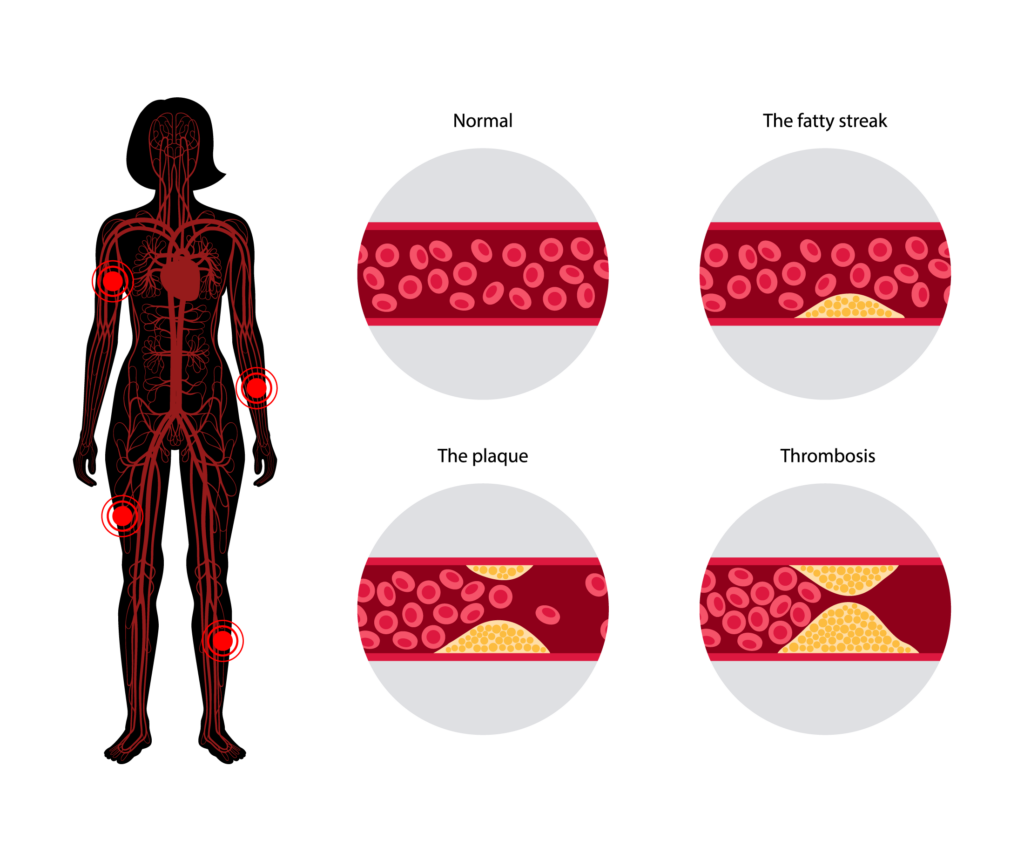
Peripheral Artery Disease (PAD) is a condition where arteries supplying blood to the legs, feet, or arms become narrow or blocked due to plaque buildup. This restricts blood flow, causing pain and other symptoms. Left untreated, PAD can lead to serious complications, including non-healing wounds, limb amputation, or increased risk of stroke and heart attack.
What Are the Symptoms of Peripheral arterial disease (PAD)
Common symptoms of PAD include:
- Pain or cramping in the legs, hips, or buttocks during physical activity (relieved with rest).
- Foot pain at rest, especially at night or when elevated.
- Non-healing wounds or ulcers on the feet or legs.
- Coldness or discoloration in one leg compared to the other.
Risk Factors of Peripheral Arterial disease
Smoking
A major contributor to arterial damage and plaque buildup.
Diabetes
Increases the risk of plaque formation in blood vessels.
High Cholesterol
Leads to fatty deposits in arteries.
Sedentary lifestyle
Lack of physical activity can worsen arterial health.
What is Angioplasty for Peripheral Artery Disease?
Angioplasty is a minimally invasive procedure designed to open blocked or narrowed arteries, restoring normal blood flow to affected areas. It’s a safe, same-day treatment option for PAD performed by board-certified vascular specialists.
How is angioplasty Performed?
1
Artery Access: A small needle is used to access the blocked artery.
2
Catheter Insertion: A thin tube is guided to the blockage using imaging technology. Before ballooning the blockage, your doctor may remove the plaque from the arteries (atherectomy) with special devices
3
Balloon Inflation: A tiny balloon is inflated to widen the artery.
4
Optional Stent Placement: A stent may be placed to keep the artery open.
Why Choose angiography & angioplasty?
Minimally Invasive
No large incisions, ensuring faster recovery.
Faster-relief
Restores blood flow and alleviates symptoms effectively.
Outpatient procedure
Most patients return home the same day.
Safe and effective
Proven to reduce the risk of complications, including amputation.
Preventative measures for Peripheral Artery Disease
Lifestyle changes can significantly reduce PAD symptoms and progression:
Quit Smoking
Quit smoking to improve arterial health
Exercises
Engage in regular exercise, like walking 30 minutes daily.
Diet
Follow a heart-healthy diet low in saturated fats and sodium.
Manage Health Markers
Manage diabetes, cholesterol, and blood pressure with medication and routine care.
Frequently Asked Questions about Angioplasty for Peripheral Artery Disease
How long does angioplasty take?
No, the procedure is performed under local anesthesia, ensuring minimal discomfort.
Am I awake for the procedure? Is there any pain?
Most procedures take 1–2 hours, depending on the severity of the blockage.
Will I need a stent?
A stent is used only if the artery needs extra support to remain open.
What is the recovery time?
Patients typically resume normal activities within 1–2 days.
Are there risks associated with angioplasty?
While complications are rare, minor risks include bleeding or infection at the access site.
How long will the results last?
With proper lifestyle changes, angioplasty results can be long-lasting.
Take the First Step Toward Pain Relief
At Vascular & Interventional Specialists of Kansas City, we are committed to providing innovative, minimally invasive treatments to help you live pain-free.
Contact us today or call (816) 720-5332 to schedule your consultation and take control of your vascular health.
If you experience emergency symptoms, such as chest pain or difficulty breathing, call 911 immediately.