
Mesenteric Ischemia Treatment Kansas CityMinimally Invasive Mesenteric Stenting
What is Mesenteric Ischemia?
Chronic Mesenteric Ischemia (CMI) occurs when plaque buildup narrows the arteries supplying blood to the intestines. This restricted blood flow causes abdominal pain after eating, leading to fear of eating and unintended weight loss. If left untreated, CMI can severely impact a person’s quality of life and overall health.
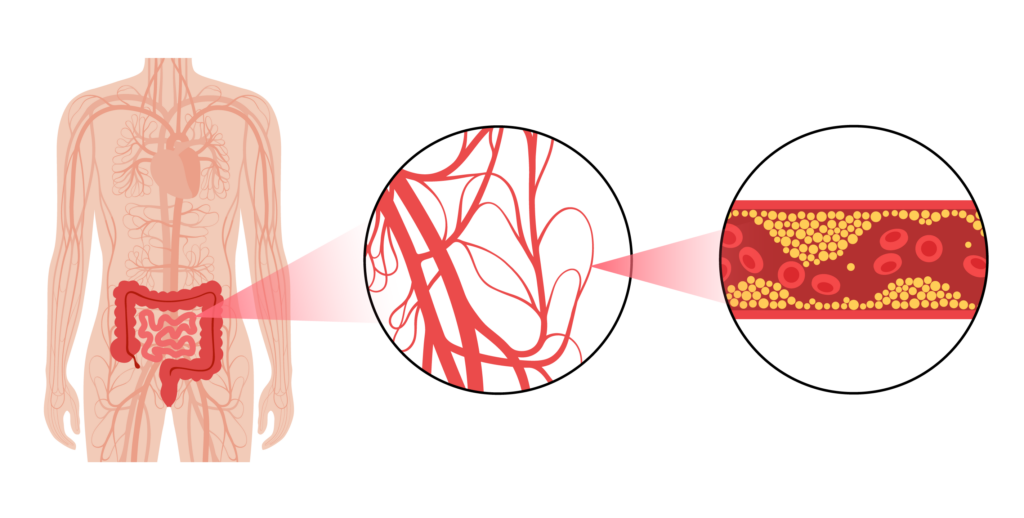
What Are the Symptoms of Chronic Mesenteric Ischemia
The hallmark symptoms of CMI include:
- Abdominal pain after meals.
- Unintentional weight loss due to fear of eating.
- Nausea and occasional vomiting after eating.
- Feeling full prematurely during meals.
If you are experiencing these symptoms, consult a vascular specialist for evaluation.
Risk Factors of Chronic Mesenteric Ischemia
Smoking
Significantly contributes to arterial plaque buildup.
High cholesterol
Increases fatty deposits in arteries.
Diabetes
Accelerates damage to blood vessels.
High blood pressure
Contributes to arterial narrowing.
What is Mesenteric Stenting?
Mesenteric stenting is a minimally invasive procedure performed by an experienced vascular specialist to restore blood flow to the intestines. It is designed to treat CMI effectively without the need for major surgery.
How is Mesenteric Stenting Performed?
1
Access the artery: A small needle is used to access the wrist or groin artery with ultrasound guidance.
2
Angiogram imaging: X-ray dye is injected to create a detailed map of the intestinal arteries.
3
Stent and balloon placement: The doctor crosses the blockage and expands the artery using a stent and balloon.
4
Completion and closure: The instruments are removed, and the access site is closed with pressure. A small bandage is applied.
Why Choose Mesenteric Stenting?
Minimally Invasive
No incisions or stitches required.
Effective symptom relief:
Quickly improves blood flow to the intestines.
Short recovery time
Most patients recover fully within 1–2 weeks.
Outpatient procedure
Return home the same day with minimal downtime.
Conservative Treatments for Chronic Mesenteric Ischemia
Lifestyle changes and dietary adjustments can help manage mild cases of CMI or complement procedural treatment:
Eat smaller, low-fat meals
Eat smaller, low-fat meals to reduce the demand for blood flow.
Physical Therapy and Exercises
Exercise regularly to improve overall cardiovascular health.
Smoking Cessation
Stop smoking to prevent further arterial damage.
Manage blood pressure, cholesterol, and diabetes
Manage blood pressure, cholesterol, and diabetes with a doctor’s guidance.
Frequently Asked Questions About Mesenteric Stenting
Is the procedure painful?
No, it is performed under IV sedation, with only mild discomfort during balloon or stent expansion.
How long does mesenteric stenting take?
The procedure typically takes 1–2 hours, depending on the complexity of the blockage.
What is the recovery time?
Risks are minimal but may include bleeding, infection, or reduced blood flow to the intestines.
Are there risks involved?
Most patients return to normal activities within 1 week and experience full recovery within 1–2 weeks.
Will I need additional treatments?
Most patients experience long-lasting relief, but follow-up care is essential to monitor artery health.
Is mesenteric stenting covered by insurance?
Insurance typically covers the procedure if medically necessary. Check with your provider for details.
Take the First Step Toward Pain Relief
At Vascular & Interventional Specialists of Kansas City, we are committed to providing innovative, minimally invasive treatments to help you live pain-free.
Contact us today or call (816) 720-5332 to schedule your consultation and take control of your vascular health.
If you experience emergency symptoms, such as severe pain or difficulty moving, call 911 immediately.