Deep Vein Disease & Chronic DVT Treatment Kansas CityMinimally Invasive Angioplasty & Stenting
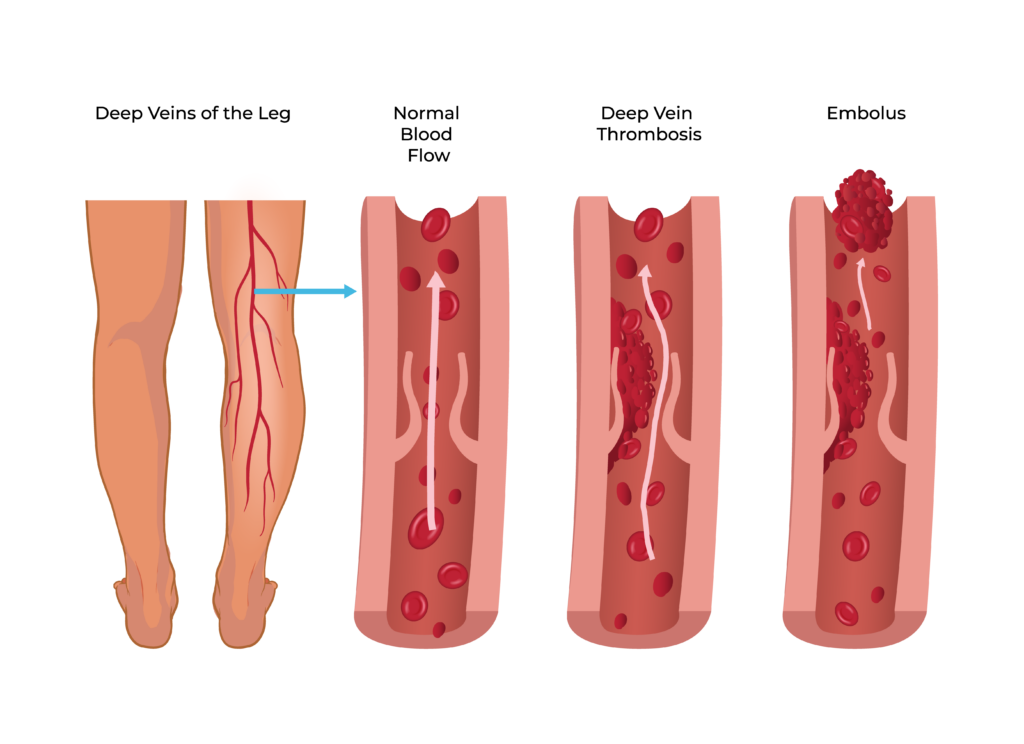
What is Deep Vein Thrombosis (DVT)
Deep vein diseases encompass conditions that affect the deep veins, particularly in the pelvis and legs. One notable condition is May-Thurner Syndrome (MTS), also known as iliac vein compression syndrome. MTS occurs when the right iliac artery compresses the left iliac vein, disrupting normal blood flow and increasing the risk of deep vein thrombosis (DVT) in the left leg.
Chronic DVT refers to a long-standing blood clot in a deep vein, which can lead to persistent symptoms and complications. Both MTS and chronic DVT can result in significant discomfort and health issues if not properly addressed.
Symptoms of Iliac Vein Compression & Chronic DVT
Individuals with iliac vein compression or chronic DVT may experience:
- Swelling in the affected leg
- Leg pain or tenderness
- Skin discoloration or ulcers
- A sensation of heaviness in the leg
Risk Factors of Deep Vein Thrombosis
Smoking
Smoking, which damages blood vessels.
Obesity
Obesity or excess weight.
Sedentary Lifestyle
Sedentary lifestyle or prolonged sitting, such as during travel or bed rest.
Surgery
Surgery or injury affecting blood flow.
Advanced Diagnostic Imaging With Intravascular Ultrasound (IVUS)
IVUS involves inserting a specialized catheter with an ultrasound probe into the vein, providing detailed images of the vein’s interior. This allows for a precise assessment of the extent and location of compression or obstruction.
Treatment Options Angioplasty & Vein Stenting
To restore proper blood flow, the following endovascular treatments may be considered:
- Angioplasty: A balloon-tipped catheter is inserted into the narrowed section of the vein and inflated to widen it, improving blood flow.
- Vein Stenting: Following angioplasty, a stent (a small mesh tube) may be placed in the vein to keep it open and prevent re-narrowing.
These minimally invasive procedures aim to alleviate symptoms, reduce the risk of complications, and enhance the patient’s quality of life.
If you’re experiencing symptoms suggestive of deep vein disease, it’s essential to consult with a vascular specialist. Early diagnosis and intervention can significantly improve outcomes and prevent serious complications.
Why Choose Treatment at VIS Kansas City?
Minimally Invasive
No incisions or stitches required.
Faster recovery
Patients can return to normal activities sooner compared to traditional surgery
Effective Results
Targets and dissolves blood clots quickly.
Prevents complications
Reduces the risk of pulmonary embolism or chronic venous insufficiency.
Preventative Measures for Deep Vein Thrombosis
To reduce your risk of DVT or prevent recurring blood clots:
Stay Active
Avoid sitting still for long periods, especially when traveling or working.
Quit Smoking
Smoking damages blood vessels and increases clotting risk.
Exercise Regularly
Improve circulation with daily physical activity.
Maintain a healthy weight
Reduce strain on your veins.
Frequently Asked Questions about Deep Vein & DVT Treatment
Are the Treatments Painful?
No, the procedures are minimally invasive and performed under local anesthesia, ensuring little to no discomfort.
How long do the procedures usually take?
The procedures usually take 1–3 hours, depending on the size and location of the clot.
What is the recovery time?
Most patients recover quickly and can resume light activities within a few days.
Are there risks associated with the procedure?
Risks are rare but may include minor bleeding or bruising at the catheter site. Your doctor will discuss any potential complications beforehand.
Will the clot return after treatment?
While the procedure effectively removes the clot, maintaining a healthy lifestyle and following preventative measures can help reduce the risk of recurrence.
Is catheter-directed thrombolysis covered by insurance?
Many insurance plans cover the procedure if it’s medically necessary. Contact your provider for details.
Take the First Step Toward Pain Relief
At Vascular & Interventional Specialists of Kansas City, we are committed to providing innovative, minimally invasive treatments to help you live pain-free.
Contact us today or call (816) 720-5332 to schedule your consultation and take control of your vascular health.
If you experience emergency symptoms, such as chest pain or difficulty breathing, call 911 immediately.