
Spinal Compression Fracture Treatment Kansas CityMinimally Invasive Kyphoplasty for Back Pain Relief
What is a Spinal Compression Fracture?
A spinal compression fracture is a small break in one or more vertebrae, most commonly occurring in the thoracic spine (middle back). These fractures often result from osteoporosis, injury, or excessive strain on the spine. If left untreated, spinal compression fractures can lead to chronic pain, reduced mobility, and a hunched posture (kyphosis).
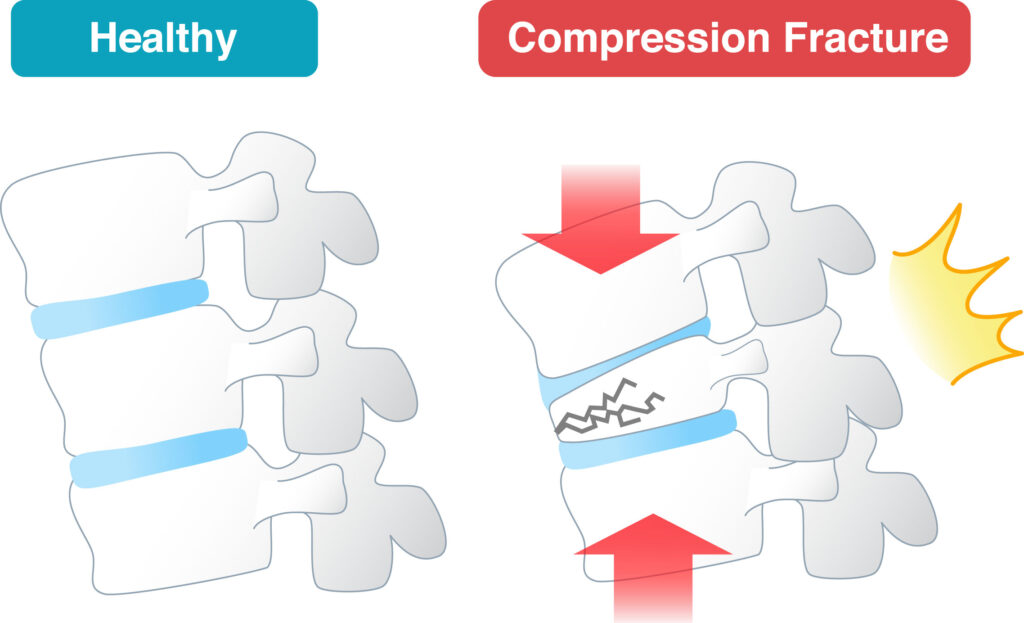
What Are the Symptoms of Spinal Compression Fractures?
Signs of a spinal compression fracture may include:
- Back pain that worsens with standing or walking.
- Relief when lying down but pain with slight movement or strain.
- Numbness or tingling due to nerve involvement.
- Reduced mobility or difficulty bending and twisting.
- Loss of height over time.
- Hunched posture (kyphosis) from vertebral collapse.
If you experience sudden or worsening back pain, imaging tests such as X-rays, CT scans, or MRI scans may be needed to confirm a fracture.
Risk Factors of Spinal Compression Fractures
Osteoporosis
Weakened bones increase the risk of fractures.
Age
More common in individuals over 50, particularly postmenopausal women.
Injury or Strain
Sudden movements, falls, or lifting heavy objects can trigger fractures.
Medical Conditions
Conditions like cancer or prolonged corticosteroid use may weaken bones.
What isKyphoplasty for Spinal Compression Fractures?
Kyphoplasty, a type of vertebral augmentation, is a minimally invasive procedure designed to stabilize fractures and relieve pain by reinforcing the affected vertebra(e) with bone cement.
How is Kyphoplasty Performed?
1
Imaging Guidance: X-ray or CT imaging is used to pinpoint the fracture.
2
Needle Insertion: A small needle is guided into the affected vertebra.
3
Balloon Placement: A small balloon is placed inside the fracture to restore height to the vertebral body and create a cavity for cement placement.
4
Bone Cement Injection: Cement is injected to reinforce and stabilize the fractured bone.
5
Closure: The needle is removed, and a small bandage is applied to the insertion site.
Why Choose VIS Kansas City for Compression Fracture Treatment
Minimally Invasive
No large incisions or long recovery times.
Safe and effective
Many patients experience rapid symptom improvement.
Fast recovery
Helps patients return to normal activities faster.
Outpatient procedure
Strengthens the spine and reduces the risk of future breaks.
Preventative Measures for Spinal Compression Fractures
To reduce your risk of spinal compression fractures:
Vitamin D and calcium intake
Increase vitamin D and calcium intake to maintain bone strength.
Quit Smoking
Quit smoking and limit alcohol use, as both contribute to bone loss.
Strengthen Bones & Muscles
Engage in weight-bearing exercises to strengthen bones and muscles.
Bone Density Screenings
Get regular bone density screenings if you’re over 50 or at risk for osteoporosis.
Frequently Asked Questions About Vertebral Augmentation
Is vertebral augmentation painful?
The procedure is performed under local anesthesia with sedation, and most patients report minimal discomfort.
How long does vertebral augmentation take?
The procedure typically lasts 30–60 minutes per treated vertebra.
When will I feel relief?
Many patients experience immediate pain relief, while others see gradual improvement over days to weeks.
What is the recovery time?
Most patients return to normal activities within 24–48 hours.
Are there risks involved?
Risks are rare but may include minor bleeding, infection, or cement leakage, which are carefully managed by specialists.
Will this procedure prevent future fractures?
While it stabilizes existing fractures, maintaining bone health through diet, exercise, and osteoporosis treatment is essential for long-term prevention.
Take the First Step Toward Pain Relief
At Vascular & Interventional Specialists of Kansas City, we are committed to providing innovative, minimally invasive treatments to help you live pain-free.
Contact us today or call (816) 720-5332 to schedule your consultation and take control of your health.
If you experience emergency symptoms, such as chest pain or difficulty breathing, call 911 immediately.