Carotid Artery Disease Treatment Kansas CityMinimally Invasive Treatments For Disease and Stroke Prevention
What is Carotid Artery Disease?
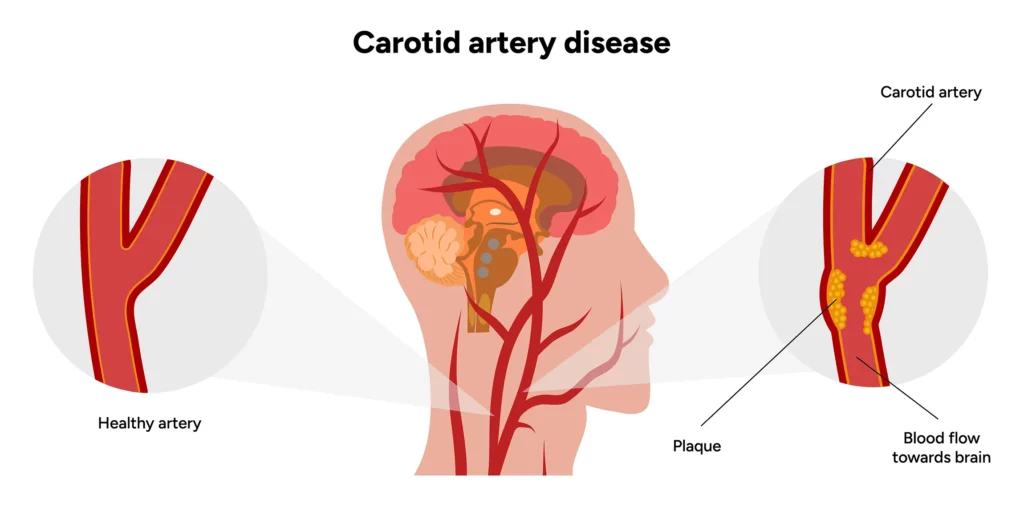
Carotid artery disease occurs when the arteries supplying blood to the brain narrow due to plaque buildup. This restricts blood flow and raises stroke risk. Millions are affected yearly, making it a leading stroke cause. The disease worsens over time, often without symptoms. In some cases, the first sign is a transient ischemic attack (TIA) or “mini-stroke,” which causes temporary symptoms. Though TIAs resolve on their own, they warn of future stroke risk.
What Are the Symptoms of Carotid Artery Disease?
Carotid artery disease often develops without symptoms, but as it progresses, warning signs may include:
- Sudden weakness or numbness in the face, arms, or legs, often on one side of the body.
- Difficulty speaking or understanding speech.
- Vision problems in one or both eyes.
- Dizziness or loss of balance.
- Severe headache with no known cause.
- Transient ischemic attacks (TIAs), or “mini-strokes,” which cause temporary stroke-like symptoms.
If you experience these symptoms, seek medical attention immediately, as they may indicate an increased risk of stroke.
Risk Factors of Aortic Aneurysm
High Blood Pressure
Elevated blood pressure puts extra strain on artery walls, increasing the risk of plaque buildup and narrowing.
Smoking
Tobacco use damages blood vessels, promotes plaque formation, and raises the risk of blood clots.
Diabetes
High blood sugar levels contribute to artery damage and accelerate the progression of atherosclerosis.
High Cholesterol
Excess LDL (“bad”) cholesterol leads to plaque deposits in the carotid arteries, restricting blood flow to the brain.
Carotid Artery Disease Treatment Options
For mild to moderate carotid artery disease, treatment focuses on medication and lifestyle modifications. In cases of severe blockage or recent TIA or stroke, surgical intervention or stenting may be necessary for optimal care.
1
Carotid Endarterectomy
A surgeon makes a small neck incision, clears plaque from the carotid artery, and restores blood flow to reduce the risk of TIA or stroke.
2
Carotid Artery Stenting
If surgery isn’t an option or a less invasive approach is preferred, a stent can be placed in the carotid artery to restore blood flow and reduce stroke risk.
3
TCAR
A vascular surgeon performs a minimally invasive procedure to place a stent, temporarily redirecting blood flow to restore normal circulation to the brain.
Why Choose VIS Kansas City For Carotid Artery Disease Treatment?
Expert Vascular Team
Skilled specialists provide advanced, effective carotid artery disease treatment.
Minimally Invasive Care
Minimally invasive procedures mean minimal downtime and faster recovery.
Personalized Treatment
Customized plans ensure the best care from diagnosis to recovery.
Advanced Technology
Cutting-edge imaging and techniques for precise, high-quality care.
Preventative Measures for Carotid Artery Disease
Maintain Healthy Blood Pressure
Keep blood pressure within normal range.
Quit Smoking
Avoid tobacco to reduce artery damage.
Eat a Heart-Healthy Diet
Focus on fruits, veggies, and whole grains.
Exercise Regularly
.Engage in physical activity to improve circulation.
Control Cholesterol Levels
Keep LDL cholesterol levels low.
Frequently Asked Questions About Carotid Artery Disease
How do I know if I need treatment for carotid artery disease?
If you’re experiencing any of the symptoms mentioned above, come see our board-certified physicians, who will help determine the best course of action, whether it’s a lifestyle change or vascular surgery.
What is the recovery time after carotid artery treatment?
Recovery varies, but most patients return to normal activities within a few weeks.
Is stenting a safe option for carotid artery disease?
Yes, stenting is a safe and effective minimally invasive procedure with excellent long-term outcomes.
Are there risks associated with carotid artery treatment?
As with any procedure, risks include infection, stroke, or damage to blood vessels, but these are rare.
Take the First Step Toward Pain Relief
At Vascular & Interventional Specialists of Kansas City, we offer advanced, minimally invasive treatments to help you manage your carotid artery disease and stroke prevention.
Contact us today or call (816) 720-5332 to schedule your consultation. Let us help you take control of your knee health and start living pain-free.