
Prostate Enlargement (BPH) TreatmentMinimally Invasive BPH Treatments in Kansas City
What is Enlarged Prostate (BPH)
The prostate gland is a walnut-sized organ located between the bladder and the penis that produces fluid to nourish and protect sperm. An enlarged prostate, or benign prostate hyperplasia (BPH), is a common, non-cancerous condition in men. As the prostate enlarges, it can press against the urethra, causing urinary symptoms such as frequent urination and weak urine flow. BPH typically begins around age 40 and becomes increasingly common with age.
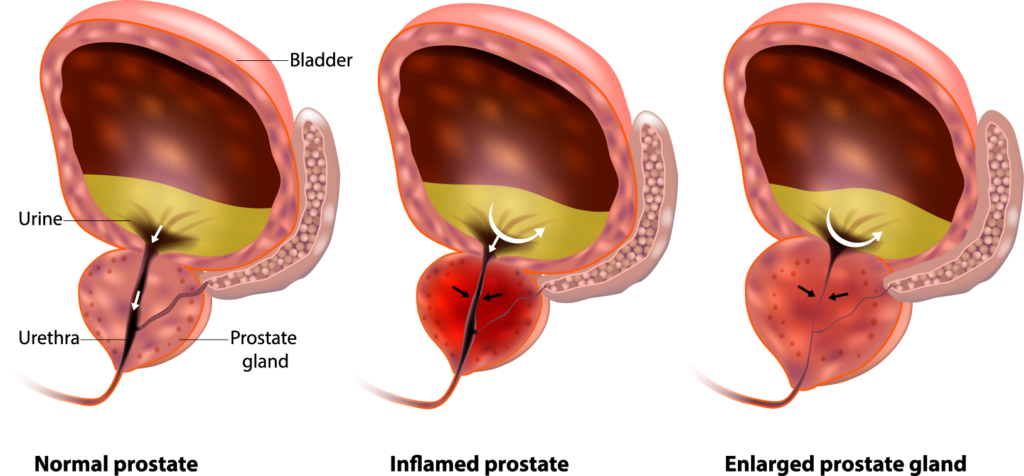
What Are the Symptoms of Enlarged Prostate (BPH)?
The symptoms of BPH can vary in severity but often include:
- Frequent urination, especially at night (nocturia).
- Difficulty starting urination.
- Weak or interrupted urine flow.
- A feeling of incomplete bladder emptying.
- Straining to urinate.
- Urinary urgency or hesitation.
If you notice any of these symptoms, consult your specialist for an evaluation.
Risk Factors ofEnlarged Prostate (BPH)
Age
BPH symptoms rarely occur before age 40 but are common in men over 60.
Obesity
Maintaining a healthy weight through regular exercise can lower your risk.
Family History
A family history of BPH increases your risk.
Diabetes & Heart disease
These conditions are associated with a higher likelihood of developing BPH.
What is Prostate Artery Embolization (PAE)?
Prostate Artery Embolization (PAE) is a minimally invasive treatment performed by board-certified interventional radiologists to relieve symptoms of BPH.
How is PAE Performed?
1
Arterial Access: A small needle is used to access the wrist or groin artery.
2
Imaging Guidance: X-ray dye is injected to visualize the prostate’s blood vessels.
3
Targeted Embolization: Microscopic particles are injected to reduce blood flow to the prostate.
4
Closure: The catheter is removed, and a small bandage is applied to the access site.
Why Choose Prostate Artery Embolization (PAE)?
Minimally Invasive
No incisions or stitches required.
Quick recovery
Most patients return to normal activities within a few days.
Effective symptom relief
Reduces urinary symptoms and improves quality of life
Outpatient procedure
Completed in a single visit without the need for general anesthesia.
Conservative Treatments for Enlarged Prostate
Your vascular specialist may recommend the following lifestyle changes to reduce symptoms:
Maintain a healthy diet
Focus on fruits, vegetables, and whole grains while limiting red meat and processed foods.
Exercise Regularly
Physical activity helps improve urinary health and reduces weight-related risk factors.
Limit alcohol and caffeine intake
These can irritate the bladder and worsen symptoms.
Stay Hydrated
Drink adequate water, but avoid excessive fluids before bed
Frequently Asked Questions about Prostate Artery Embolization
Is PAE painful?
The procedure is performed under local anesthesia with sedation, and most patients report minimal discomfort.
How long does PAE take?
The procedure typically lasts 1–2 hours, depending on the complexity of the case.
When will I notice symptom relief?
Most patients experience noticeable symptom improvement within days to weeks.
What is the recovery time?
Risks are minimal and may include minor bleeding or infection at the access site. Your doctor will discuss any potential complications.
Are there risks involved?
- You must lie flat with your leg straight for 1-2 hours after the procedure.
- You can take the dressing off and shower the next day.
- You should hold pressure on your groin while coughing, sneezing, or straining in the bathroom.
- You cannot perform strenuous activity or lift the weight of more than a gallon of milk for 1 week after the procedure.
- Normal walking and light activity are not restricted.
- You can drive the next day if you received IV sedation.
Will PAE affect sexual function?
Unlike some surgical treatments, PAE has a low risk of impacting sexual function.
Take the First Step Toward Pain Relief
At Vascular & Interventional Specialists of Kansas City, we are committed to providing innovative, minimally invasive treatments to help you live pain-free.
Contact us today or call (816) 720-5332 to schedule your consultation and take control of your vascular health.
If you experience emergency symptoms, such as severe urinary retention or difficulty urinating, call 911 immediately.